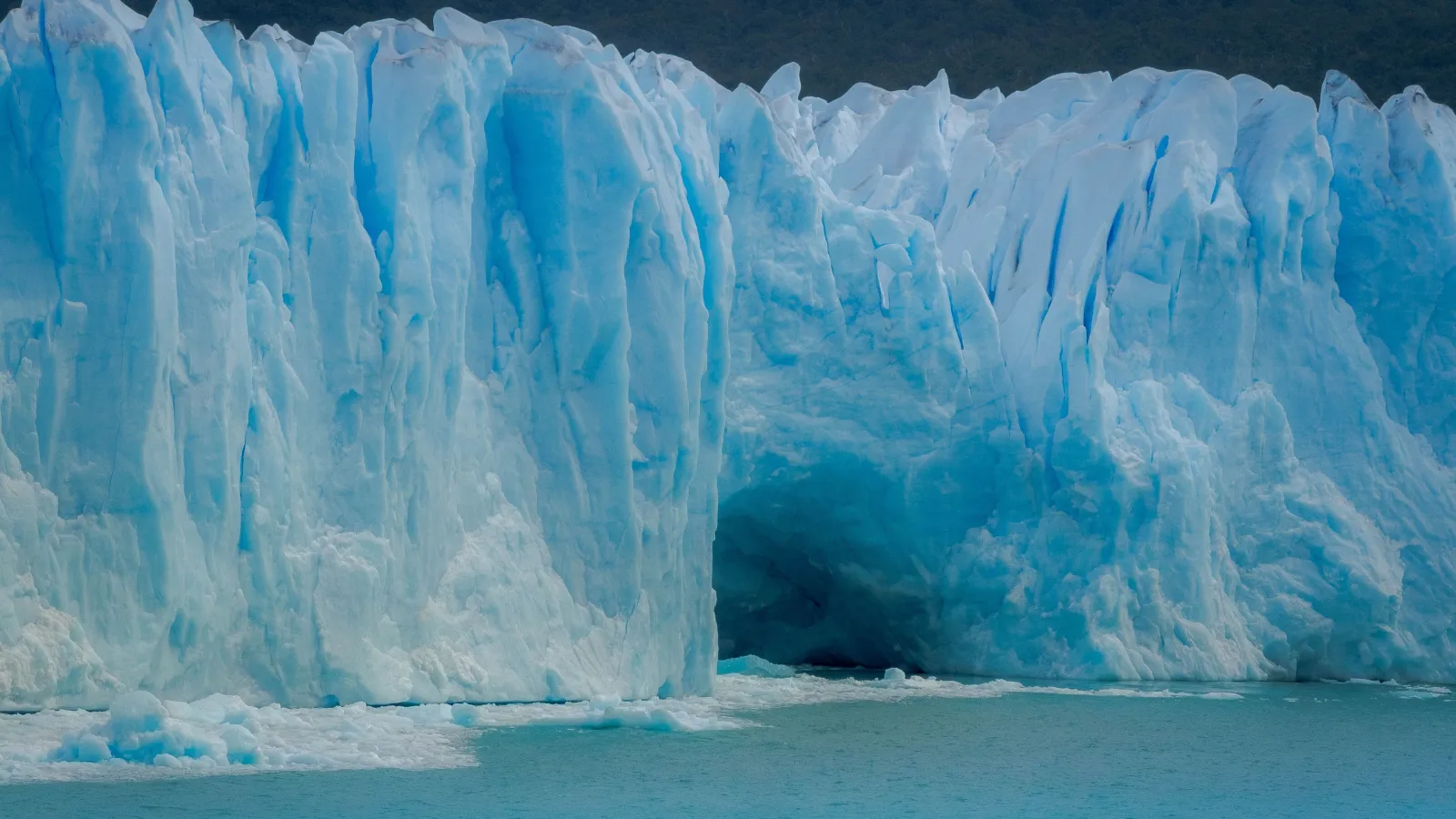
Argentina Bill Rewinds Glacier Protections
Story written by CLAS intern David Simms. David is double majoring in International Studies and Economics.
In April 2026, Argentina passed a law modifying its landmark glacier protections, giving provincial authorities a larger role in determining which glaciers and periglacial areas receive protection. The change amends the 2010 National Glacier Protection Law, which established national minimum protections for glaciers and recognized them as public goods and strategic reserves of water. “Argentina has long stood out for its pioneering position on giving legal status to glaciers in the interest of recognizing and protecting their ecological significance,” said Dr. Bryan Mark, Professor in the Department of Geography specializing in glaciers in the Andean region. “Argentina was an intriguing example of a state taking a proactive stance to recognize and protect the ecological role of glaciers,” particularly by protecting them from mining operations that threaten glacier watersheds.
The new law was promoted by President Javier Milei’s government as a way to clarify the law and encourage investment while continuing to protect glaciers that perform important hydrological functions. The government argues that the previous law could restrict mining in areas that were incorrectly classified as glaciers or periglacial environments. Critics, however, warn that shifting authority to the provinces could make it easier for mining to expand into areas connected to glacier-fed watersheds.
Argentina's glaciers are important not only for their ecological and tourist value, but also because of the water they provide. The country has more than 16,000, including the famous Perito Moreno Glacier. Glacial water contributes to river systems that support communities, agriculture and other economic activity across the country. The original 2010 law was designed to protect these water resources. It prohibited mining and other activities that could significantly alter protected glaciers or their hydrological functions and established national standards for identifying and protecting them.
The conflict between glacier protection and mining is not new. The Veladero gold and silver mine in San Juan province has been the subject of environmental controversy, including cyanide spills that polluted rivers in 2015 and 2016. The mine has also been at the center of disputes over whether its operations comply with Argentina's glacier protections.
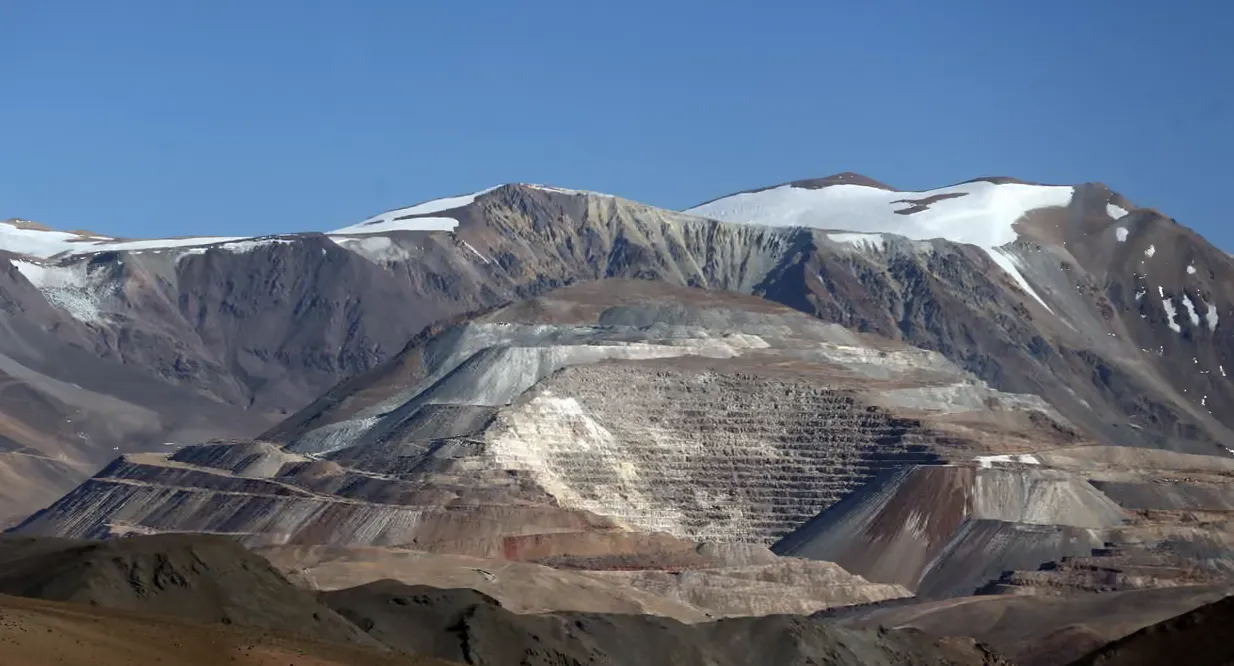
Under the new law, provincial environmental authorities will identify, using technical and scientific studies, the glaciers and periglacial landforms in their jurisdictions that perform the hydrological functions protected by the law. Mining remains prohibited in glaciers and protected periglacial areas identified under the new system. For Milei's government, the changes are also about economic development. The administration has argued that clearer rules could encourage investment in Argentina's mining sector, particularly for copper, gold and silver. Milei said the reform would help “strike a balance between environmental protection and economic development,” arguing that the previous approach could discourage investment, job creation and growth. Mark believes what is happening in Argentina is akin to what is going on in the United States: “just as we're seeing political interests in our own country deny the reality of our human-induced climate change, we're seeing less environmental protection regulations.”
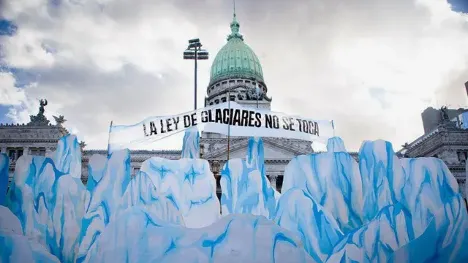
Environmental groups and other critics have challenged the changes, arguing that reducing the scope of national protections could leave important water resources more vulnerable to mining. The issue is particularly significant in Argentina's drier regions, where glacier and snowmelt can contribute to water supplies used by communities and farmers. Public opposition has included protests and extensive participation in hearings surrounding the legislation.
For Mark, however, the debate is larger than the question of whether mining should be permitted near glaciers. Even strong legal protections cannot address the underlying threat posed by climate change. “Without reducing carbon emissions, these actions are limited,” Mark said.
The changes to Argentina's glacier law therefore come at a time when the country's glaciers are already under pressure from a warming climate, and the combination of glacier retreat and changes to environmental regulation illustrates a broader tension between resource development and environmental protection.
“Rolling back the protective status of glaciers by industry-mining-friendly governments is sad as it is another example globally of how business interests are trumping environmental protections,” Mark said.