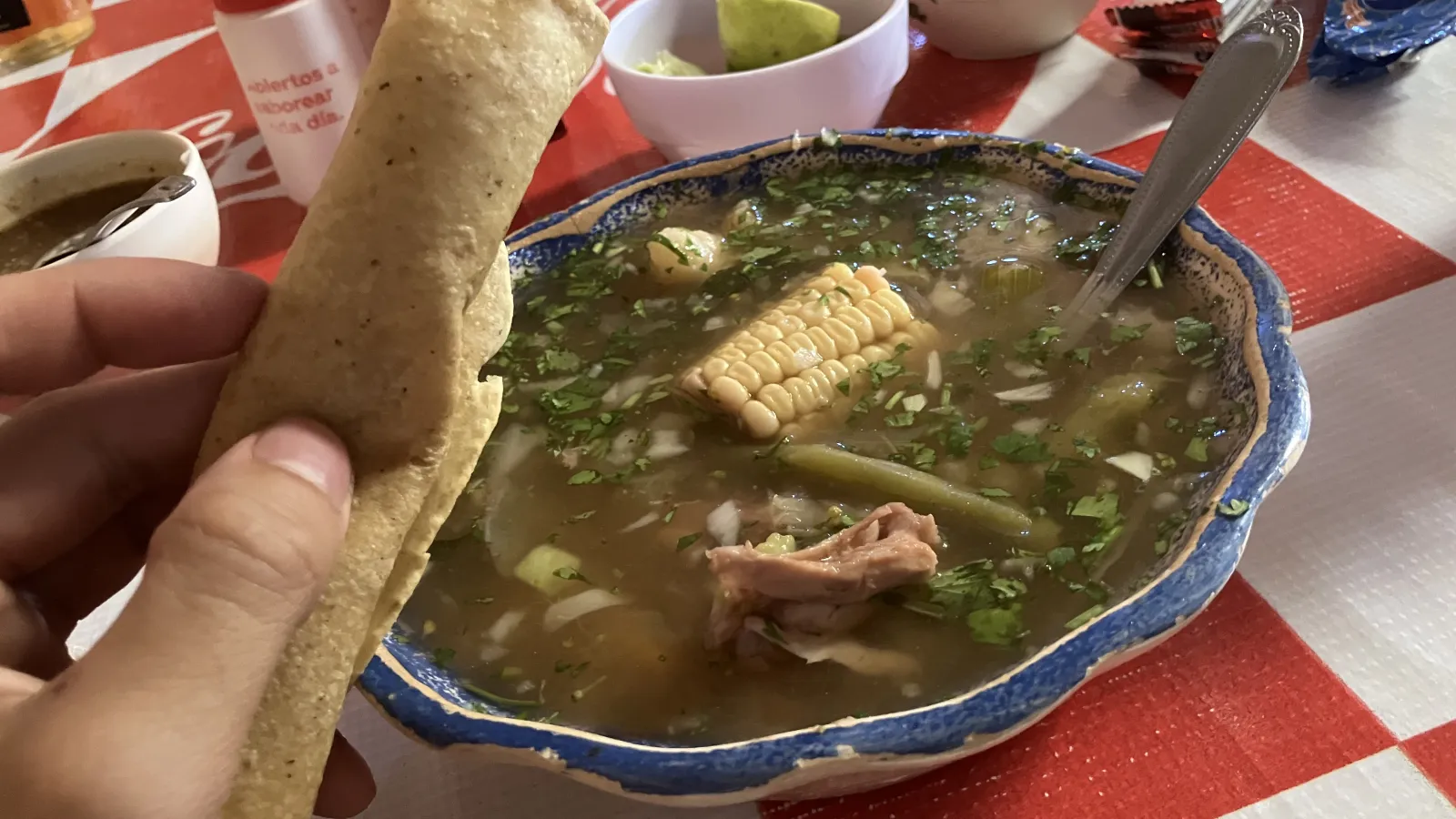
Eating Rats! A Culinary Tradition in Mexico
Story written by Abraham Lopez, M.A. student in Latin American Studies.
Ever since having access to social media, I have always paid attention to news from my home state of Zacatecas, Mexico—where my family is from. During the COVID-19 pandemic, a dish I had never encountered before began making headlines in media outlets across Zacatecas: caldo de rata, or rat soup. Long associated with medicinal properties, the dish gained renewed attention as some people turned to it as a traditional remedy for COVID-19. Its growing consumption was striking not only because of the circumstances, but because of the animal at its center—one widely perceived as filthy, dangerous, and synonymous with disease. Yet within this cultural context, the rat was transformed from a creature associated with contamination into an ingredient believed to possess healing properties.
This sought-after rodent is usually referred to as rata de campo, which translates to field rat, by locals. These wild rats are a native species of the north-central region of Mexico and are far different from the brown rats inhabiting urban centers. It is primarily eaten in the semi-desert region of Zacatecas—home to an abundance of different cacti species and the primary habitat of rata de campo. Thus, it is in rural populations where rata de campo is primarily hunted and consumed.
Prior to my first visit to Zacatecas in 2021, I had already heard of caldo de rata and out of curiosity I began asking relatives about it during my visit. At that time, I was not willing to taste it. However, I had an urge to learn more about this custom, so I began to learn more about it online. Three years later, during my second visit to Zacatecas, I decided to try caldo de rata for the first time. My uncle took me to a spot that sells traditional ranchero cuisine on the outskirts of the municipality of Zacatecas. At the front of the business, the cooks prepare and make the food in full sight like their large maize tortillas. The decoration of the place reflected the ruggedness of the semi-desierto Zacatecano, including animal pelts, taxidermized animals, and old farm tools—the essence of rural life. My uncle immediately ordered a caldo de rata for me upon the arrival of the waitress and told her that I study stuff like that and then said, "es antropólogo" (an anthropologist—referring to me). The caldo de rata was a tasty and hardy soup, and the meat was not much different from chicken.

That first time eating caldo de rata was the spark that eventually led me to do research on this topic in the future, especially after being recognized as a scholar, who studies traditional customs, by my uncle. As of now I am currently doing a project on the tradition of rata de campo consumption in Zacatecas. This past summer, I took a trip to Zacatecas to collect further information for my project. I asked relatives and strangers alike about rata de campo and visited a few businesses that sell caldo de rata. Through conversations with relatives, I found out that my great-grandparents quite often hunted and prepared rata de campo into various dishes like pipian, an emblematic dish common in Zacatecas that mainly consists of pumpkin seeds and guajillo chilis made into a sauce-like subsistence that is usually combined with chicken or nopales. The custom of eating rata de campo is not something far removed from my family, but part of our culinary tradition and regional identity.
People in Zacatecas used their traditional knowledge to combat the COVID-19 illness as is the case with the consumption of caldo de rata. Thus, this pandemic demonstrated the importance of traditional foods and beliefs in the face of adversity. Eating rats would generally not be on the list of edible foods for most people, however many locals have gained a strong belief in the medicinal properties of caldo de rata which led it to become a popular remedy within the state. Rata de campo is praised by many locals for being incredibly healthy and clean largely because of the rodent's natural lifestyle—contrary to the typical belief most people have of rats. It has been consumed for innumerable generations, making it a time-tested delicacy locals can trust.