The Iran War and Latin America
Story written by CLAS Summer 2026 intern, Caleb Ferroniere. Caleb is an International Relations & Diplomacy major who is also minoring in Spanish.
Since the Iran war was launched on February 28th by joint U.S.-Israeli strikes which killed Iran’s supreme leader Ayatollah Ali Khamenei, the world has faced profound disruptions to global trade, which has disproportionately affected developing countries, those without the capacity to withstand such seismic shocks. Iran has used its proximity to the heart of global fossil fuel production and large shoreline in the Persian Gulf and Strait of Hormuz as one of its principal sources of leverage in the war. Before the war, nearly one third of the maritime oil trade, one fifth of the liquefied natural gas trade, and one third of the world’s fertilizer transited through the Strait.
The blockade of the Strait, enforced by Iran, has brought this to a near complete halt, with severe effects for the world economy. Many commentators have focused on the looming catastrophe for global oil prices, which, despite significant increases in oil futures, has yet to occur.
However, the impacts for developing countries have been dramatic, especially in Southeast Asia, whose countries derive the majority of its oil and gas from the Persian Gulf and buffer their foreign currency reservesfrom remittances from migrant workers in Gulf countries. Substantial efforts have been taken to survive this ongoing crisis.
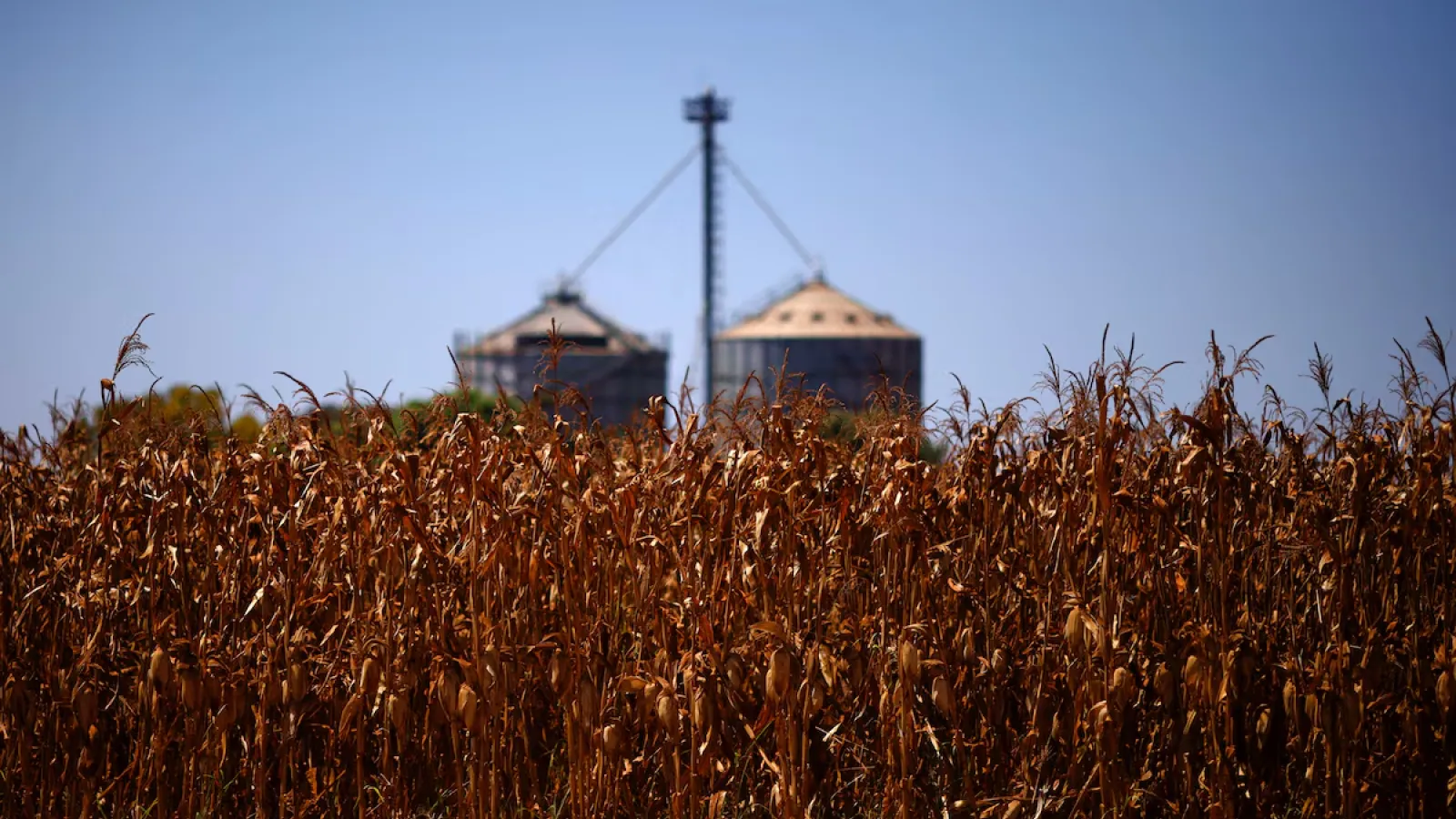
The impacts on the global fertilizer trade have been equally pronounced. Most modern agricultural producers rely on huge additions of synthetic fertilizers like urea, of which 34 percent was produced in the Gulf and shipped through the Strait of Hormuz. The UN WFP and other international agencies warn that global food insecurity, already increasing due to a global decrease in aid funding and humanitarian disasters such as those in Sudan and South Sudan, could dramatically rise. The war might accelerate an already growing interest in natural alternatives to chemical fertilizer, especially to increase long-term food security as countries now see the danger of relying exclusively on imports, yet this will still increase hunger in the short and medium term.
How then is Latin America affected by this global crisis? The region is already facing new challenges, many of which, like the drug trade, have been exacerbated by U.S. policies. Until recently, Venezuela was a close ally of Iran. Cuba, which has been under a ‘maximum pressure’ oil blockade since shortly after the overthrow of Maduro, sees Venezuela and Iran as a window into what could befall the island, long a thorn in the side of U.S. policymakers. Conservative leaders have been elected across the continent, pledging to fight economic downturns, currency depreciations, and huge debt burdens with austerity measures.
Brazil has one of the world’s largest agricultural industries. Imports made up 100% of Brazil’s urea supply, making it profoundly sensitive to price shocks. But Brazil also has a unique chance to position itself to benefit from this disruption. While reliant on imports for petrol and fertilizer, it also has a substantial biofuel and biofertilizer sector. Years of government-supported research and development have created a substantial biofuel industry, which softened the impact of rising fuel prices. Prices only increased by around 5%. Other Latin American countries like Mexico have expressed interest in the Brazilian model. Brazil is also one of the world’s largest exporters of oil, and has benefited from increased exports since the blockade of the Strait.
Not all countries have such benefits from the Iran war. Bolivia, which last year elected a conservative president, Rodrigo Paz, after nearly two decades of socialist control, has been rocked by protests as Paz imposed austerity measures in the face of bleak economic conditions. In December, protests were sparked by the elimination of fuel subsidies, which served as a lifeline to many Bolivians. Paz defended this by citing the huge drain (to the tune of nearly $3 billion) to Bolivia’s international reserves, which have collapsed over the past decade. The rise in global oil prices has only made this worse. This situation, combined with reforms seen as serving mining and agribusiness, ignited huge protests which nearly threatened to topple Paz’s government.
Venezuela remains perhaps the most mixed case. Both it and Iran have often been called America’s greatest enemy and were heavily sanctioned. Iran has invested in Venezuelan industry and supplied refined fuel. There are plenty of reports depicting Venezuela as a base for Iranian terror in the Americas. This has since changed after the American capture of Maduro in January. The United States has eased restrictions on the sale of Venezuelan oil but it almost completely controls the revenues generated from said sales. As an oil producer, Venezuela is poised to reap substantial revenue increases from every minute increase in global oil prices, even if its oil blend (a heavier crude than most Gulf exports) is not a substitute for Gulf production.
Other countries, like Mexico and Argentina, seek to weather the economic and political impacts of the Iran war while profiting from increased oil and food prices, a delicate balancing game as both countries’ leaders face mounting domestic challenges. Argentina’s president, Javier Milei, a supporter of both the Trump Administration and Israeli Prime Minister Netanyahu, has expressed his complete support for the war. However, in a country already battered by sky-high inflation and the elimination of government subsidies, it cannot afford further increases in prices.
Overall, the Iran war has caused substantial economic turmoil across the world, even in the United States. Our globalized world renders most states vulnerable to increases in food and gas prices on international markets. Latin America is no exception to this rule. Some countries face opportunities as higher prices benefit their export revenue, but careful management is required to preserve the already tenuous economic circumstances of the millions of impoverished people in the region.