La Salsa Vive, and the Women of Salsa
Story written by CLAS Autumn 2026 intern Lily Schroder. Lily is double majoring in International Studies and Political Science.
La Salsa Vive is a documentary highlighting the rise and fall of salsa dancing, following its path throughout New York and Cali, Colombia. The film boasts of tracing history throughout the 1900s to today through marking the passion and identity rooted in the people’s love for salsa. However, the film fails to highlight some of the most important contributors to salsa: women.
The documentary features a plethora of interviewees from featured artists such as Grammy winning Rubén Blades to musical group member Ángel Lebrón. Showcasing appearances from different points of salsa history, La Salsa Vive portrays the rise of dancing, as well as the salsa mania that broke out through leading male artists and dancers. It begins with discussing the New York roots that salsa stems from, highlighting the clubs, livelihoods and footage of the dance and music that highlighted the local Latino population in the 1960s and 1970s. The film follows salsa to Cali, Colombia, discussing the die off of the style throughout New York, as well as the pressure by Colombia to keep the style of music alive. The film highlights how salsa functions as a connection for different communities due to their love of salsa.
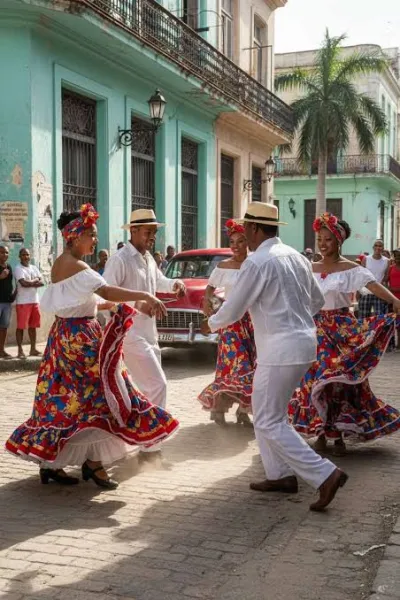
Notably, however, La Salsa Vive focuses on only one side of the story; the men. With a ratio of 1 to about 14 in interviews contrasting women to men, only one true side of the salsa story was really shown. Highlighting the growth through this aspect of culture, the prominence of women throughout is portrayed only in one solo interview by Elena Francia. Her brief interview focuses on advocacy for women in music, who are balancing domestic responsibilities while also challenging male-lead music orchestras. As the founder, director and lead vocalist of D'Caché, Francia delves into a tiny portion of the misrepresentation of women in salsa. However, the documentary only highlights her as a representation for women in salsa, disregarding an entire side of female culture.
What did La Salsa Vive miss? In describing the history of the beginnings of salsa, tracing roots to New York as well as Colombia, the film fails to mention a key female actor: Celia Cruz. Known as the Queen of Salsa, Celia Cruz began performing in the 1940s; highlighting the African influences that are so apparent in the well-known salsa found today. Celia helped to portray Afro-Cuban rhythms into Latin performances, reimagining the salsa landscape and drawing together various Latin artists to facilitate salsa.
The “Queen of Latin Soul”, or La Lupe, was another pioneer in the development of salsa. As the first Latin singer to have a sellout performance in NYC’s Madison Square Garden, she paved the way for the intermingling of New York and salsa, as well as instigation of salsa in Havana. Her fame delved from boleros and boogaloos, adding a fiery aspect to the world of salsa. Graciela, another famous woman amongst the salsa scene, was the first Black Latina to gain fame in the US. Also sparking salsa amongst the people of New York, she was titled the First Lady of Latin Jazz, intermingling the mambo amongst salsa dancing.
Clearly portrayed throughout such a tiny portion of the world’s greatest salsa influencers, La Salsa Vive highlighted parts of history; but missed such an important aspect of salsa; the women behind the genre.
